Skip to content

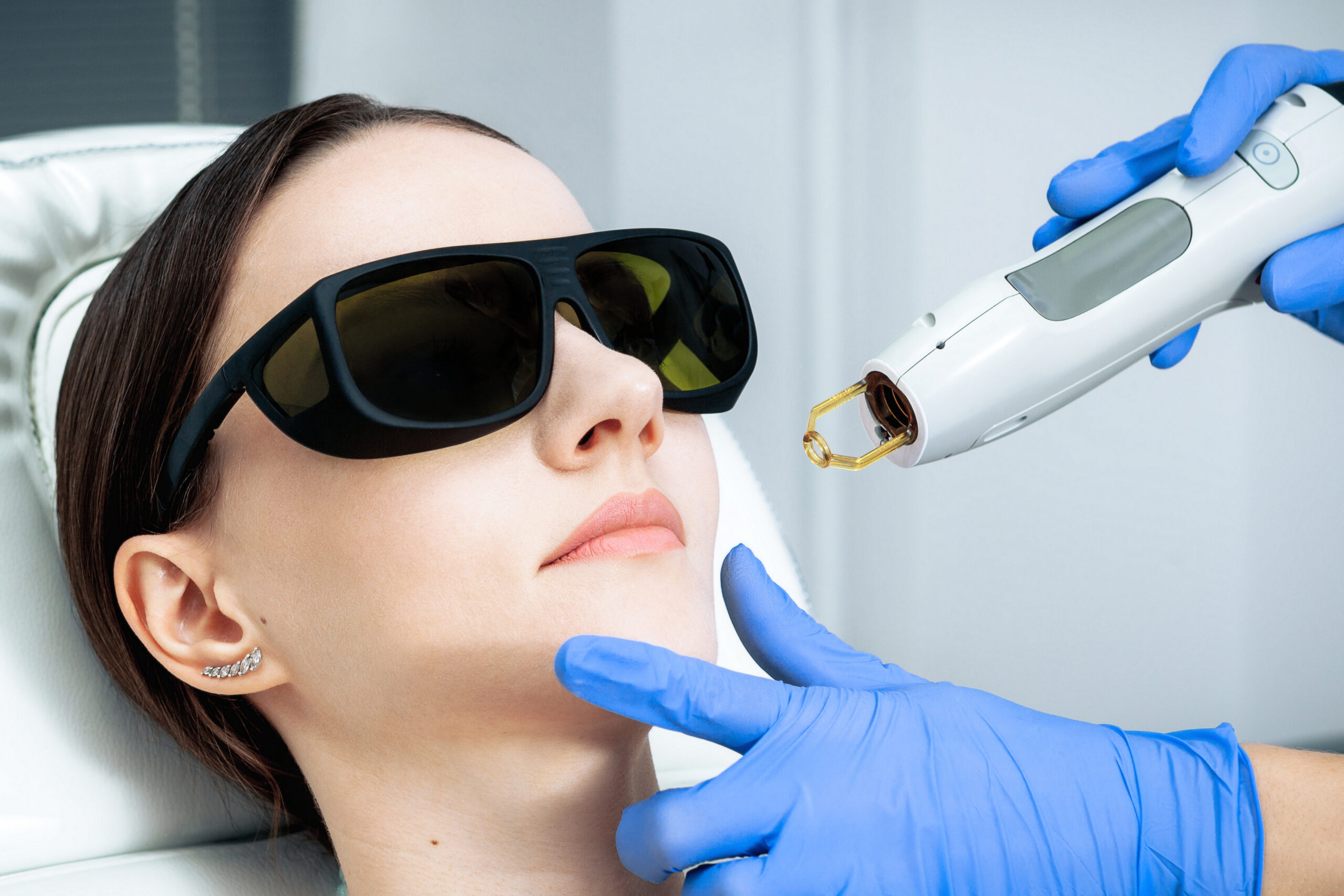
Table of Contents
An IPL appointment moves through three clear phases. A provider reviews your skin and asks you to stay out of the sun beforehand, the session itself runs about twenty minutes, and the treated spots then darken, lift, and flake away over the following week or two.
Most people who come to Fond & Faye have been looking at the same freckles, sun damage, or patchy tone for years. The appointment is rarely the unfamiliar part. What surprises clients is what their skin does afterward, so that is where much of this guide sits. Anyone researching IPL for dark spots Rutherford, NJ deserves that sequence up front.
How soon do dark spots start to fade after an IPL session?
Treated spots usually look darker for the first few days, then begin flaking off over the next one to two weeks. Noticeable fading commonly shows around the two to three-week mark, and results vary from person to person.
What IPL Does to Dark Spots and Uneven Skin Tone
IPL sends controlled pulses of light into the skin, where darker pigment absorbs that energy and breaks apart. Lighter surrounding skin absorbs far less, which is why a freckle or age spot responds while the skin around it stays unchanged.
Once fragmented, that pigment clears gradually rather than instantly. That is why pigmentation correction with light looks slow at first and better at week three, and why hyperpigmentation treatment with IPL is planned as a series.
Before Your Appointment: What the Consultation Covers
Your first visit is an assessment, not a treatment. A provider looks closely at the pigmentation itself, since IPL for freckles is a different conversation than broad sun damage across the cheeks.
Skin type comes next. Providers use the Fitzpatrick scale, a classification from very fair to very deep, to judge which light-based treatments are safe for each skin tone. Light-based pigmentation treatment Rutherford NJ options are not appropriate for every complexion, and that assessment protects your result. Medical history and medications get reviewed too, since some prescriptions increase light sensitivity. Our team can point you toward other facial and body experiences if IPL is not the right fit.
How to Prepare in the Two Weeks Before IPL
Sun avoidance is the main preparation, and it is not optional. Tanned or burned skin cannot be treated safely, so plan for two weeks of shade, hats, and daily SPF. Self-tanner counts as sun exposure and must fade fully first.
Your provider may also ask you to pause retinoids, exfoliating acids, or other actives beforehand. Arrive with clean skin and no makeup on the area. If you have had unexpected sun, tell us, and we will reschedule. That happens regularly and beats treating skin that is not ready.
During Your Session: What the Twenty Minutes Feel Like
The session starts with a cleanse, then a layer of cooling gel and protective goggles. From there, the handpiece moves across the treatment area in overlapping pulses.
Most clients describe it as a quick snap against the skin, uncomfortable for an instant and then gone. Treatment time depends on the area covered, but a typical session runs around twenty minutes. IPL for uneven skin tone is not limited to the face. The neck, chest, and hands often show sun damage first, and all three can be treated.
The First Twenty-Four Hours After IPL
Expect mild redness and a warm, slightly sunburned feeling that usually settles within hours. Treated spots often look darker right away, sometimes noticeably so. That darkening is expected, not a complication.
Most clients head back to work the same day. For the first twenty-four hours, skip hot showers, saunas, and hard workouts, since heat aggravates freshly treated skin. Leave the spots alone.
Days Three Through Fourteen: The Flaking Window
This is the phase people are least prepared for. Around day three, the darkened spots lift toward the surface and flake off, often looking like fine coffee grounds on the skin. Makeup covers it well if you would rather not explain it at work.
Let the flakes shed on their own. Scrubbing or picking risks marking the skin and can leave discoloration that outlasts the original spot. Successful age spot removal with IPL depends on what you do not do during these two weeks. If your skin feels rough afterward, a gentle resurfacing peel facial can be scheduled once your provider says the area has settled.
Aftercare and What Comes Next in Your Series
Daily broad-spectrum SPF 30 or higher is the single habit that protects your result. Beyond that, keep it simple: gentle cleanser, moisturizer, and no actives until your provider clears you.
Most clients complete several sessions spaced a few weeks apart, since pigment clears progressively and deeper discoloration rarely resolves in one visit. Our IPL dark spot treatment Rutherford NJ plans are built around your skin type and how your pigmentation responds.
Common Questions About IPL for Dark Spots
- Does it hurt? Most clients tolerate it comfortably, and cooling gel makes the pulses easier.
- Will the spots come back? Pigment your body clears does not typically return, though new spots can form without consistent sun protection.
- What side effects are normal? Redness, mild swelling, and temporary darkening. Blistering, crusting, or anything lasting beyond a week or two warrants a call.
- Who is not a candidate? Anyone pregnant, tanned, taking photosensitizing medication, or with an active skin infection should hold off. Clients across IPL treatment in Bergen County, NJ are assessed individually first.
Ready to See Clearer Skin? Here Is Your Next Step
IPL follows a predictable arc: assessment and preparation first, a short session in the middle, and a two-week window afterward when the pigment lifts and fades. Knowing that sequence in advance makes the process easier to sit through, especially the flaking stage.
The next step is an assessment of your skin type and pigmentation with a provider who can tell you what to realistically expect. If you are considering IPL pigmentation treatment in Rutherford, NJ, our team at Fond & Faye is happy to walk you through it.