Skip to content
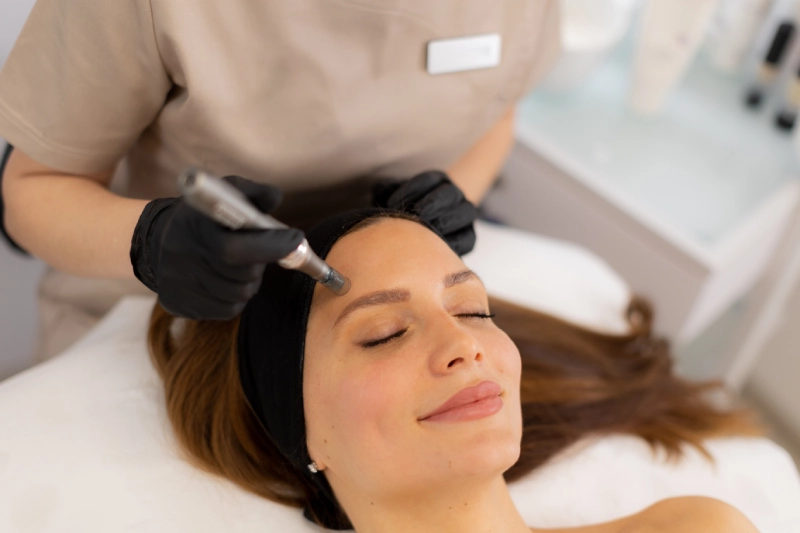
Table of Contents
When you start researching microneedling treatment, you quickly hit a fork in the road. Standard microneedling on one side, RF microneedling on the other. They sound similar, and in some ways they are. But the results they produce, the concerns they address best, and the patients they suit are meaningfully different. Choosing without that context means guessing, and guessing with your skin rarely goes well.
Fond & Faye in Rutherford, NJ, offers microneedling as part of a personalized approach to skin rejuvenation. If you have been going back and forth between these two options, here is the honest breakdown you have been looking for.
What is the real difference between microneedling and RF microneedling for skin texture and scars?
Standard microneedling uses fine needles to create controlled micro-injuries in the skin, triggering the body’s natural healing response and stimulating collagen and elastin production. RF microneedling delivers radiofrequency energy through the same needles, heating the deeper layers of tissue and significantly amplifying collagen stimulation beyond what needles alone can achieve. The result is that RF microneedling addresses deeper concerns and delivers more dramatic skin tightening, while standard microneedling is well-suited for surface texture, tone, and milder scarring.
How Each Treatment Stimulates Collagen
Standard microneedling follows a well-established mechanism. Fine, sterile needles make precise punctures in the treatment area, and the skin responds by producing new collagen and elastin as part of the natural healing process. Over time, the new structural proteins improve skin texture, reduce the appearance of acne scars, refine pores, and even out skin tone.
RF microneedling achieves the same result with an additional layer. The radiofrequency energy heats the dermis to a controlled depth, resulting in a more powerful tissue-remodeling response. That thermal stimulation reaches deeper than micro-injuries, which is why RF microneedling produces more collagen and better outcomes for skin laxity, deeper scarring, and other issues that regular microneedling takes longer to treat.
Microneedling vs RF Microneedling: Matching the Treatment to the Concern
The right choice depends on what your skin actually needs. Here is a direct comparison across the three main concerns from the title:
Skin texture: Both treatments effectively improve surface texture. Standard microneedling is a strong option for mild to moderate unevenness, enlarged pores, and general skin quality. RF microneedling delivers more dramatic texture refinement, particularly for patients dealing with more significant irregularities.
Acne scars: Shallow to moderate acne scars respond well to standard microneedling treatment over a series of sessions. Deeper or more stubborn scarring tends to respond faster and more completely to RF microneedling because the thermal energy reaches the deeper layers where scar remodeling happens most effectively.
Collagen production: Both stimulate collagen, but RF microneedling stimulates significantly more due to the added heat component. For patients primarily focused on firmness, tightening, or reversing more advanced collagen loss, RF microneedling is the stronger tool.
What to Expect From a Microneedling Treatment Session
For standard microneedling, the session is straightforward. A topical numbing cream is applied beforehand for comfort. The device is passed across the treatment area, creating a pattern of micro-injuries at a controlled depth. Most patients describe the sensation as mild pressure or light scratching. The session typically takes 30 to 60 minutes depending on the areas treated.
After treatment, redness and mild swelling are normal for one to two days. Most patients return to their routine within 48 hours. Results begin appearing around four to six weeks as collagen rebuilds, with full results developing over three to six months. A series of sessions is typically recommended for the best outcome, and results can last six months to a year depending on skin type and lifestyle factors.
Treatment Areas Where Microneedling Performs Well
One of the practical advantages of microneedling treatment is its versatility. It can be used effectively across multiple areas of the face and body:
- Face: Forehead, cheeks, around the eyes for fine lines, acne scars, and texture improvement
- Neck: Sagging skin, fine lines, and uneven texture
- Décolletage: Sun damage, wrinkles, and skin tone irregularities on the chest
- Hands: Age-related thinning and wrinkles
- Stretch marks: Abdomen, thighs, and hips where stretch marks form
- Scalp: Stimulating circulation and supporting hair growth in patients dealing with thinning hair
That range makes microneedling a flexible treatment that can address multiple concerns across a single session or series.
Who Gets the Most From Each Treatment
Standard microneedling is a good fit for patients who want meaningful skin improvement through a well-tolerated, minimally invasive process. It works across most skin types and is particularly relevant for:
- Adults with mild to moderate acne scarring, uneven texture, or early signs of aging
- Patients newer to professional treatments who want a gradual, consistent approach
- Those dealing with hyperpigmentation, large pores, or fine lines that topical products have not resolved
- Anyone wanting to improve product absorption as part of a broader skincare strategy
RF microneedling is better suited for patients ready to address more significant concerns. If skin laxity, deeper scarring, or more advanced texture changes are the goal, the added radiofrequency component delivers results that standard microneedling reaches more slowly or less completely. It is also a strong option for patients who have completed a standard microneedling series and want to push results further.
Before and After Your Microneedling Appointment
A few preparation and aftercare steps make a real difference in how well the treatment performs.
Before your session:
- Avoid retinoids and active exfoliants for several days beforehand
- Stay out of direct sun and do not arrive with a fresh tan
- Come with clean skin, no makeup or heavy products
After your session:
- Keep the skin calm with gentle, recommended products for 48 hours
- Apply SPF consistently and avoid direct sun exposure during the healing window
- Skip intense exercise and sweating for the first 24 hours
- Follow your provider’s specific aftercare guidance, particularly for the first week
Find Out Which Treatment Is Right for Your Skin
Microneedling treatment and RF microneedling both deliver real, meaningful results. The difference is in depth, intensity, and which concerns they address most efficiently. One conversation with the right provider usually makes the decision clear.
Book Your Microneedling Consultation in Rutherford Today and find out which approach fits your skin and your goals. Contact our team with any questions before you book. Microneedling treatment in Rutherford, NJ starts with knowing exactly what your skin needs.